
The Enchanté Network
Building Community, Strengthening Resilience, Taking Action
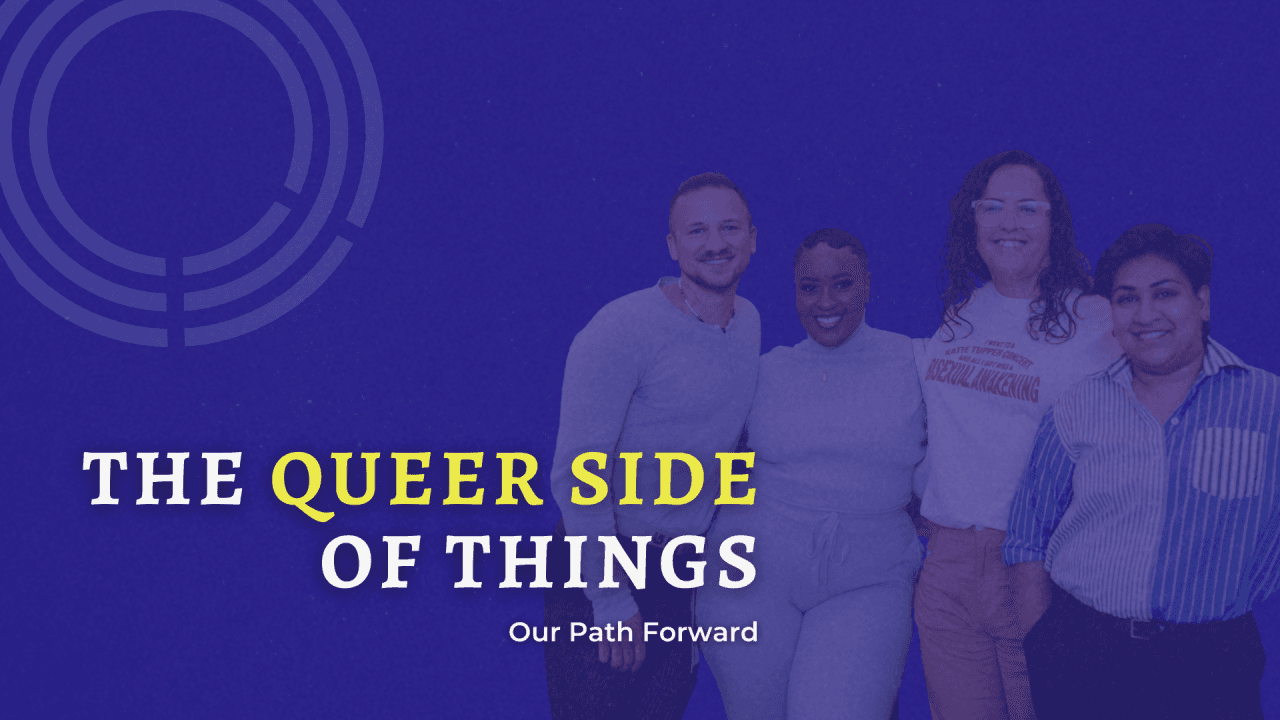
As the days grow longer and spring breathes new life into our communities, we’re reminded of the power of resilience, the strength of solidarity, and the urgency of action. Across Canada, 2SLGBTQI+ organizations are stepping up to confront rising challenges, creating safer spaces, advocating for equity, and celebrating the vibrancy of queer and trans lives.
This month, we take a deep dive into the Rainbow Resilience Fund, which has provided critical funding to organizations responding to hate crimes and building long-term safety strategies. We also highlight inspiring grassroots work, upcoming events, funding opportunities, and ways you can take action to protect and uplift 2SLGBTQI+ communities.
Whether you’re a frontline advocate, a community organizer, an ally, or someone seeking support, this newsletter is for you. Together, we are stronger. Together, we thrive.
Let’s get into it! 💜💪🏽🏳️🌈
The Rainbow Resilience Fund – A Year of Impact
As hate-fueled rhetoric and violence rise, 2SLGBTQI+ communities across Canada are responding with strength, solidarity, and action. The Rainbow Resilience Fund (RRF) was launched to directly support organizations on the front lines—those safeguarding community spaces, combating digital and in-person hate, and creating sustainable pathways to resilience.
This fund is more than financial support—it’s an affirmation of survival, safety, and joy in the face of escalating attacks.
What Has the RRF Achieved?
$535,325.44 invested into 22 organizations across Canada, strengthening their ability to prevent, respond to, and recover from hate-based violence.
Enhanced safety measures—including physical security upgrades, crisis response training, and online protection against cyber threats.
Capacity-building initiatives—supporting staff training, mental health support, and leadership development for 2SLGBTQI+ advocates.
Healing through celebration—funding projects that center Black joy, trans liberation, and Two-Spirit cultural practices as acts of defiance and resilience.
Why This Fund Matters – A Story of Urgency and Resilience
The numbers are alarming—police-reported hate crimes against 2SLGBTQI+ people have surged by 64%. But behind every statistic is a person, a community, a life disrupted by violence, fear, and exclusion. It’s the rural trans youth who no longer feels safe at school. The community center was vandalized in the dead of night. The organizer who faces relentless online attacks for daring to advocate for their rights.
These moments are not isolated. They are part of a broader effort to silence, erase, and push 2SLGBTQI+ people back into the margins. And yet, across Canada, grassroots organizations are standing strong—offering safety, healing, and a vision for something better.
Resilience is more than enduring hardship. It is about building, dreaming, and reclaiming joy in the face of those who seek to deny it. Queer and trans joy is radical. It is defiant. It is necessary. When we invest in initiatives that center safety, healing, cultural celebration, and creative expression, we are making a statement: 2SLGBTQI+ people do not just deserve to survive—they deserve to thrive.
The Rainbow Resilience Fund is more than financial support. It is a commitment to the artists who paint our stories, the leaders who organize our movements, the healers who hold our grief, and the changemakers who imagine a more just future. It is a refusal to accept a world where fear dictates our lives.
Because hate does more than harm—it isolates, it erases, it seeks to make us invisible. But resilience does more than fight back—it builds, it uplifts, and it ensures that our voices, our joy, and our futures are undeniable.
Key Findings: Lessons from the Roundtables
As part of the Rainbow Resilience Fund initiative, we hosted Knowledge Sharing and Impact Assessment Roundtables, where grantees came together to exchange experiences, challenges, and strategies for strengthening community resilience. These discussions revealed urgent gaps and bold, community-driven solutions.
Here’s what we learned:
📍 1. Funding Must Be Flexible, Not Restrictive
Many traditional grants force organizations into rigid reporting structures that don’t reflect the full scope of their impact. Quantitative data can’t always measure the depth of a safe space created, a life saved, or a community strengthened. 🔹 What needs to change? Funders must embrace qualitative storytelling—recognizing testimonials, lived experiences, and multimedia documentation as legitimate measures of success. Organizations need the autonomy to allocate resources where they’re needed most.
📍 2. Staff Burnout is a Crisis—Capacity Must Be a Priority
Many 2SLGBTQI+ organizations operate on skeleton crews, with overworked staff juggling multiple roles on shoestring budgets. The result? Burnout, turnover, and instability—threatening the very programs communities rely on. 🔹 The solution? Funders must prioritize long-term staffing solutions, mental health support, and professional development—not just project-based funding. Sustainability is about people, not just programs.
📍 3. Healing and Joy Are Essential, Not Optional
For too long, funding structures have prioritized trauma-response over affirming, celebratory spaces. But grantees made it clear: resilience is built through joy, creativity, and connection. 🔹 What’s working? Programs that center art, cultural expression, and movement offer communities the chance to process pain while reclaiming their right to joy. We must invest in spaces that allow queer and trans people to gather, heal, and thrive.
📍 4. Inter-Community Violence is a Reality—Inclusion Must Be Intentional
Even within 2SLGBTQI+ spaces, not all identities feel equally safe. Lateral violence, racialized discrimination, and exclusion disproportionately impact Black, Indigenous, disabled, and newcomer communities. 🔹 What’s needed? Organizations must actively foster intercultural dialogue, address biases, and implement anti-racism frameworks to create truly inclusive spaces. This means going beyond representation—it requires action and accountability.
📍 5. Rural and Remote Communities Face Unique, Overlooked Barriers
In small towns and remote regions, queer and trans people are either hypervisible or completely invisible—both of which create safety risks. Many fear outing, harassment, or being unable to access affirming services. 🔹 How do we bridge the gap? Virtual programming, privacy-sensitive outreach, and targeted rural funding are essential to reaching and protecting these communities. The urban-rural divide must be addressed head-on.
📍 6. Digital Hate is a Real-World Threat—Cybersecurity is Urgent
Organizations are facing a new wave of online attacks—cyber harassment, doxxing, and hacking—that are directly impacting their ability to function and keep their communities safe. Hate speech isn’t just digital—it leads to real-life violence and harm. 🔹 What’s the response? Groups must invest in cybersecurity, crisis preparedness, and digital literacy training. Funders need to support organizations in fortifying their online presence, not just their physical spaces.
The Path Forward
These findings aren’t just insights—they’re a call to action. The Rainbow Resilience Fund isn’t just about responding to crises—it’s about creating long-term, systemic change that ensures 2SLGBTQI+ communities across Canada don’t just survive, but thrive.
Now, more than ever, we need funders, policymakers, and allies to step up and support these solutions. The work is urgent. The solutions are here. Let’s make them happen.
RRF in Action: Grantee Spotlights
The RRF funded more than 20 projects across Canada, each uniquely tailored to the needs of local 2SLGBTQI+ communities. Some standout initiatives include:
Black Pride YYC (Calgary, AB) – Black Rainbow Rise Project: A multi-part initiative offering community safety training, mental health supports, and leadership mentorship for Black 2SLGBTQI+ individuals. Their work directly addresses the intersection of racism, homophobia, and transphobia by fostering education, empowerment, and advocacy.
Maggie's Toronto Sex Workers Action Project : Hosted a retreat for members of the Ballroom community, focusing on healing, conflict resolution, and resilience.
Wildseed Centre for Art & Activism (Toronto, ON) – Trans Day of Remembrance Creative Activation: This project provided Black trans and nonbinary artists with mentorship, funding, and a safe space to create work rooted in their lived experiences. The event served as both a memorial and a reclamation, ensuring that artistic expression continues to be a vital form of activism.
LOVE (Leave Out Violence) BC : Developed a media storytelling program to combat online hate, empowering 2SLGBTQI+ youth to share their experiences and advocate for digital safety.
Pinoy Pride Vancouver Society : Established the Rainbow Resilience Team, implementing harm reduction strategies and crisis intervention training to enhance safety at public events and combat anti-2SLGBTQI+ threats.
Queer Yukon Society (Whitehorse, YT) – Pride Safety Planning: In a territory where queer and trans people face unique barriers to visibility and safety, this project implemented safety audits, bystander intervention training, and community conversations to build sustainable security strategies for rural and remote 2SLGBTQI+ communities.
These are just a few of the powerful initiatives funded through the RRF—each one pushing back against hate with courage, care, and community-driven solutions.
⛔ When Resilience Isn’t Enough: The Closure of CCGSD and TransCare+
Canadian Centre for Gender and Sexual Diversity and TransCare+ were two organizations doing vital, future-forward work:
Canadian Centre for Gender & Sexual Diversity (CCGSD) developed toolkits to combat digital transphobia and supported youth navigating online hate.
TransCare+ equipped staff and communities with emergency preparedness plans and cybersecurity training in response to hate-fueled threats.
Both were grantees of the Rainbow Resilience Fund, and both have since ceased operations.
Their closures are not isolated incidents—they’re warning signs.
Despite leading critical, high-impact work in the face of rising hate, both organizations struggled with inconsistent, short-term funding and a sector that too often expects resilience without offering sustainability. Their shutdowns reflect a broader reality:
2SLGBTQI+ organizations—especially those led by trans, racialized, and disabled folks—are operating under constant precarity.
The rollback of DEI commitments in government and philanthropic spaces has left many with fewer resources, even as threats to our communities increase.
The erosion of funding for equity work is not just a shift in priorities—it’s a form of erasure.
These losses underscore why the Rainbow Resilience Fund must continue—and expand.
We cannot celebrate resilience without acknowledging its cost. We cannot ask organizations to stand on the front lines while pulling the floor out from under them. And we cannot afford to lose more leaders, knowledge-holders, and care networks to burnout, budget cuts, or broken promises.
If we are serious about 2SLGBTQI+ safety, equity, and liberation, sustainable funding must be non-negotiable.
What’s Next?
As we conclude the first phase of the Rainbow Resilience Fund, we recognize that the work is far from over. The fight against anti-2SLGBTQI+ hate requires continued funding, advocacy, and collaboration.
This year, TEN will release "Funding Equality: A Comprehensive Guide for Supporting 2SLGBTQI+ Organizations in Preventing and Responding to Hate Crimes." This toolkit will provide funders and allies with actionable strategies for strengthening 2SLGBTQI+ initiatives.
To ensure the long-term sustainability of this work, we urge policymakers, donors, and community members to take action. Whether through financial contributions, policy advocacy, or direct engagement with local organizations, your support makes a difference.
Read More about the Rainbow Resilience Fund
Join the Movement with The Enchanté Network / Le réseau Enchanté
🌈 Who We Are: The Enchanté Network supports over 200 2SLGBTQI+ organizations across Canada, building connections, increasing impact, and driving systemic change.
Our work is focused on:
Supporting our members, especially in their work to grow their organizational capacity, so they can make greater impacts in their communities through effectively delivering services and supports;
Reducing silos by networking our members and fostering collaboration;
And engaging with funders and governments to advocate on behalf of our members and share what they need to serve their communities.
📚 Explore Our Resources: Access toolkits, guides, and best practices tailored to strengthen 2SLGBTQI+ organizations. 🗓️ Attend Our Workshops: Gain skills and knowledge through our capacity-building sessions.
💸 Funding Opportunities: Discover grants and micro-funding programs to support your initiatives.
📩 Stay Connected: Subscribe to our newsletter for updates on events, resources, and funding opportunities.
Why Become a Member?
Networking Opportunities: Connect with organizations nationwide to share insights and collaborate on initiatives.
Capacity Building: Access tailored programs, workshops, and resources to strengthen your organization's impact.
Advocacy Support: Benefit from our national voice advocating for policies and resources that empower 2SLGBTQI+ communities.
Exclusive Programs: Participate in mentorship opportunities and apply for micro-grants to support your initiatives.
Ready to Bolster Your Impact?
Join us in fostering a thriving, inclusive network. Learn more about membership and apply today at www.enchantenetwork.ca.
#EnchantéNetwork #2SLGBTQI+Leadership #InclusiveCommunities